
Our Blog

How to Manage Chronic Sports Injuries
If you are an athlete or someone who loves to exercise regularly, you may already know how frustrating it can be to suffer from a chronic sports injury. It can prevent you from doing what you love and affect your overall quality of life. At Wellness Solutions, we understand the importance of sports wellness and the impact that chronic sports injuries can have on your health and wellness. In this blog, we will help define what constitutes a chronic sports injury, as well as provide some tips on how to manage them so you can get back to doing what you love with our sports medicine services.

What Are Chronic Sports Injuries?
A chronic sports injury is a condition that develops gradually over time as a result of repetitive stress or overuse. These injuries can affect any part of the body and can be caused by a variety of factors, including poor training techniques, inadequate warm-up or cool-down, or a lack of proper equipment.
The most common types of chronic sports injuries include tendinitis, stress fractures, and sprains. Tendinitis is an inflammation of the tendons that connect muscles to bones and is often caused by repetitive motions. Stress fractures are small cracks in the bone that can occur over time due to repetitive stress. Sprains occur when the ligaments that connect bones are stretched or torn, often as a result of sudden twisting or impact.
Other common chronic sports injuries include rotator cuff injuries, shin splints, and tennis elbow. It is important to seek treatment for chronic sports injuries as soon as possible to prevent further damage and ensure a speedy recovery.

What Are the Most Common Symptoms of a Chronic Sports Injury?
The most common symptoms of a chronic sports injury include pain, swelling, and limited mobility. Pain can range from mild to severe and may be constant or intermittent. Swelling is often a result of inflammation and can make the affected area appear red and feel warm to the touch. Limited mobility can range from a slight decrease in range of motion to a complete inability to move the affected area.
Other symptoms may include stiffness, weakness, and a popping or cracking sound when the affected area is moved. It is important not to ignore these symptoms, as they can indicate a more serious underlying condition. If you are experiencing any of these symptoms, it is important to seek the advice of a sports injury specialist to prevent further damage and promote healing.

Seek the Advice of Our Sports Injury Specialists
The first step in managing chronic sports injuries is to seek the advice of a sports injury specialist. At a sports medicine clinic or a sports injury clinic, you can find experts who are trained to diagnose and treat sports-related injuries. They can provide you with a personalized treatment plan that is tailored to your specific needs, and they can help you manage your symptoms so that you can get back to your regular activities.

Rest and Recover
Rest and recovery are essential components of managing chronic sports injuries. It is important to give your body time to heal, and to avoid overexerting yourself during this time. This may mean taking a break from your regular exercise routine or modifying it to avoid further injury. It is also important to listen to your body and not push yourself too hard, as this can prolong the recovery process.

Follow a Rehabilitation Program
Following a rehabilitation program can help you manage your chronic sports injury and speed up the recovery process. A sports injury specialist can design a program that includes exercises and stretches to help improve your flexibility, strength, and range of motion. This can also help prevent future injuries and improve your overall sports health and wellness.
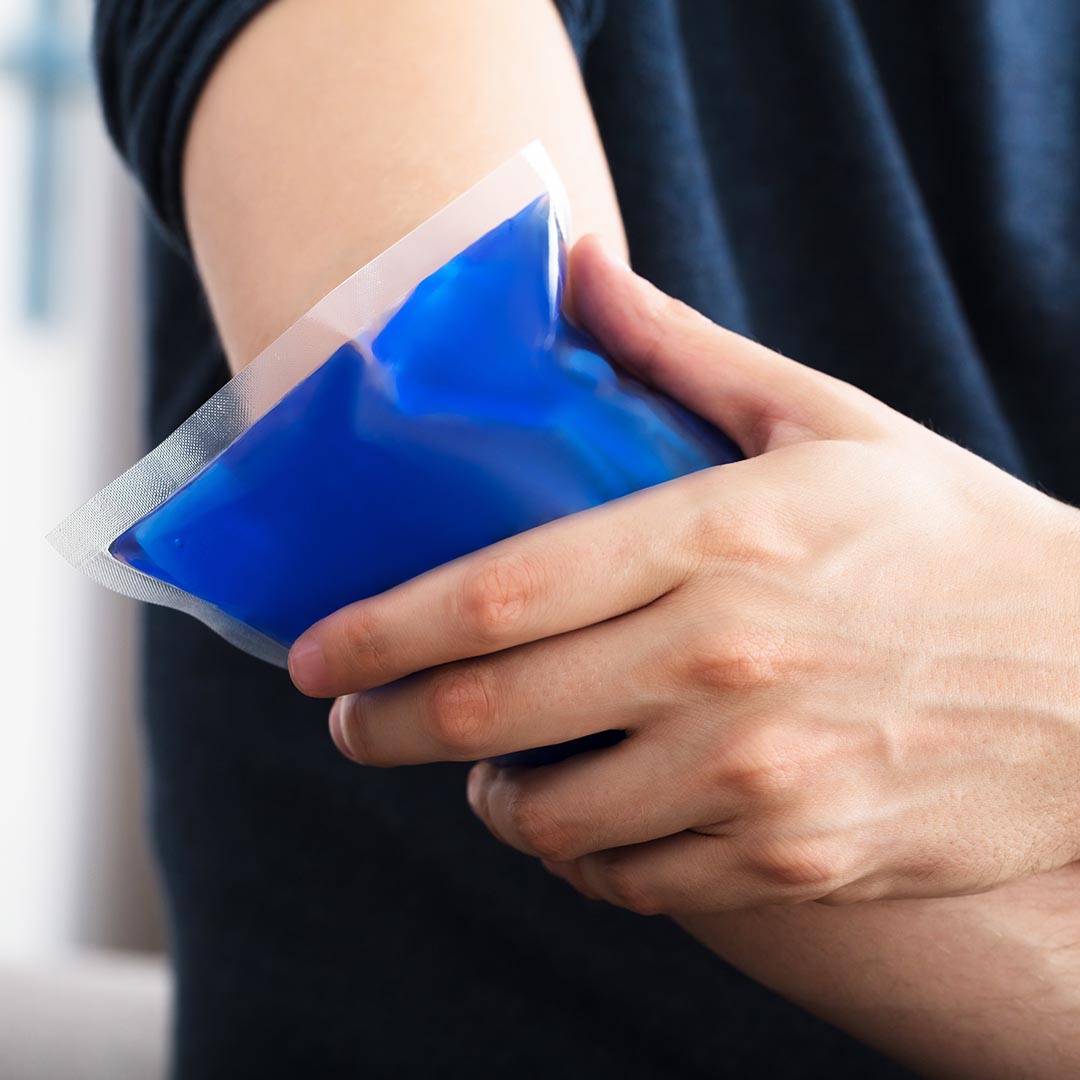
Use Hot and Cold Therapy
Hot and cold therapy can help manage the symptoms of chronic sports injuries. Cold therapy can help reduce inflammation and swelling, while heat therapy can help increase blood flow and promote healing. You can use ice packs, heat pads, or take a hot bath to help manage your symptoms.

Consider Alternative Treatments
Alternative treatments, such as acupressure/trigger point therapy, and manual therapy, can also be effective in managing chronic sports injuries. These treatments can help relieve pain and improve your overall sports wellness. Be sure to consult with a sports injury specialist before starting any alternative treatments.

Practice Good Nutrition and Hydration
Good nutrition and hydration are important for managing chronic sports injuries. Eating a balanced diet that includes plenty of fruits and vegetables, lean proteins, and whole grains can help provide your body with the nutrients it needs to heal. Staying hydrated by drinking plenty of water can also help improve your sports health and wellness.

Don’t Ignore the Signs
Finally, it is important not to ignore the signs of a chronic sports injury. Ignoring your symptoms can lead to further damage and prolong the recovery process. If you are experiencing pain, swelling, or limited mobility, seek the advice of a sports injury specialist as soon as possible.
Managing chronic sports injuries requires a combination of rest, rehabilitation, and medical treatment. By following these tips and seeking the advice of a sports injury specialist, you can manage your symptoms and get back to doing what you love. At Wellness Solutions, we are committed to providing our patients with the highest quality sports medicine care. Contact us today to learn more about how we can help you achieve your sports health and wellness goals.